As a blogger, the ability to craft engaging content is a skill that sets successful bloggers apart from the rest. Whether you’re a seasoned writer or just starting your blogging journey, mastering the art of blog writing is essential for capturing and retaining the attention of your audience. This article delves into various strategies for creating compelling blog posts that resonate with readers and enhance your content marketing strategy.
Key Takeaways
- Understanding your audience is crucial for creating content that resonates and engages; identify, analyze, and tailor your content to their preferences.
- Leverage storytelling to captivate readers, structure your blog posts for impact, and incorporate personal experiences to create a narrative that connects.
- Enhance your blog’s visual appeal with multimedia such as images, videos, and infographics, and optimize them for different platforms to increase engagement.
- Cultivate authenticity and a unique voice to build trust with your audience, be transparent, and actively engage with readers through comments and social media.
- Improve your blog’s SEO and discoverability by mastering SEO basics, creating shareable content, and leveraging social media and networking for promotion.
Understanding Your Audience: The Key to Engaging Content
Identifying Your Target Readers
Before you begin crafting your blog posts, it’s imperative to identify your target audience. This foundational step is not just about knowing who your readers could be, but understanding them at a deeper level. Consider their age, location, profession, and the unique challenges they face. This knowledge will shape the tone, style, and substance of your content, ensuring it resonates with the intended demographic.
For instance, if your audience consists of young professionals, your language might be vibrant and trend-aware, while content for seasoned experts would likely be more detailed and industry-specific. Here’s a simple breakdown to guide you through this process:
- Age: Tailor your content’s complexity and tone.
- Location: Determine if your content should have a local or global appeal.
- Profession: Align your content with industry-specific knowledge and jargon.
- Challenges: Address the pain points that your audience faces.
By thoroughly understanding your audience, you can create content that not only captures their attention but also provides tangible value. This is the cornerstone of a successful blogging strategy.
Remember, the goal is to make your readers feel that each post is crafted specifically for them. This begins with a clear picture of who they are and what they seek from your blog. Whether you’re discussing the latest tech trends for IT professionals or offering parenting tips for new mothers, your content should be a perfect fit for your audience’s interests and needs.

Analyzing Audience Needs and Interests
To create content that truly resonates with your readers, analyzing audience needs and interests is a pivotal step. This involves a deep dive into understanding who your readers are, what challenges they face, and what solutions they seek. By doing so, you can tailor your blog posts to address these areas effectively.
- Demographics: Age, gender, location, education level
- Interests: Topics they are passionate about
- Challenges: Problems they are trying to solve
- Aspirations: Goals they aim to achieve
Remember, the goal is to align your content with the reader’s expectations and provide real value.
Once you’ve gathered this information, it’s essential to synthesize it into actionable insights. This might involve creating reader personas or conducting preliminary keyword research to ensure that the topics you choose are not only within your expertise but also sought after by your audience. If the content doesn’t serve their needs, you risk losing their interest or attracting the wrong readership.
Tailoring Content to Audience Preferences
To create content that truly resonates with your audience, it’s essential to tailor your blog posts to their specific preferences and interests. This involves a deep dive into understanding who your readers are and what they seek from your content. By crafting posts that reflect their needs, you can foster a stronger connection and keep them engaged over time.
- Understand Your Target Audience: Gather insights on demographics, interests, and behaviors.
- Analyze Content Performance: Monitor which topics engage different audience segments.
- Stay Updated: Keep abreast of industry trends to ensure content relevance.
- Refine and Adapt: Adjust your strategy based on performance data and feedback.
By consistently aligning your content with your audience’s preferences, you not only meet their expectations but also build a loyal readership that values your insights and perspectives.
Crafting the Narrative: Storytelling in Blogging
The Power of Storytelling in Engaging Readers
Storytelling is not just an art; it’s a strategic tool in blogging that can create a memorable connection with your audience. By weaving narratives into your posts, you can transform a simple message into a compelling tale that resonates on an emotional level.
Embrace the storytelling aspect of blogging to make your posts more relatable and emotionally resonant.
Incorporating personal anecdotes or case studies can illustrate your points vividly, making the abstract tangible. For instance, instead of listing dry facts about productivity, share a story of someone’s journey from disorganization to success. This approach not only informs but also inspires and motivates readers.
Humans are naturally drawn to stories, and using descriptive language and vivid imagery can transport readers to the heart of your message. Here’s a simple list to ensure your storytelling hits the mark:
- Use relatable characters or personas
- Create a narrative arc with a clear beginning, middle, and end
- Employ descriptive language to paint a picture
- Share personal or customer success stories to illustrate points
Remember, the goal is to engage readers by making your content not just informative, but also deeply relatable and memorable.
Structuring Your Blog Posts for Maximum Impact
To revolutionize your content, a clear and effective structure is paramount. Begin with the most crucial information, employing the inverted pyramid method, and then delve into supporting details. This not only captivates your readers from the start but also accommodates those skimming for specific insights.
- Start with a compelling introduction that hooks the reader.
- Use clear headings and subheadings to organize sections.
- Employ bullet points or numbered lists to clarify complex points.
- Conclude with a summary or call-to-action that reinforces your message.
A well-structured blog post is like a well-constructed building; it guides readers smoothly through your narrative, ensuring they grasp the key messages and are prompted to engage further.
Remember, the goal is to keep readers engaged and make your content easily navigable. Break down your ideas into digestible chunks, and use transition words to seamlessly connect sections. By mastering the art of structuring, you maintain reader interest and communicate effectively.
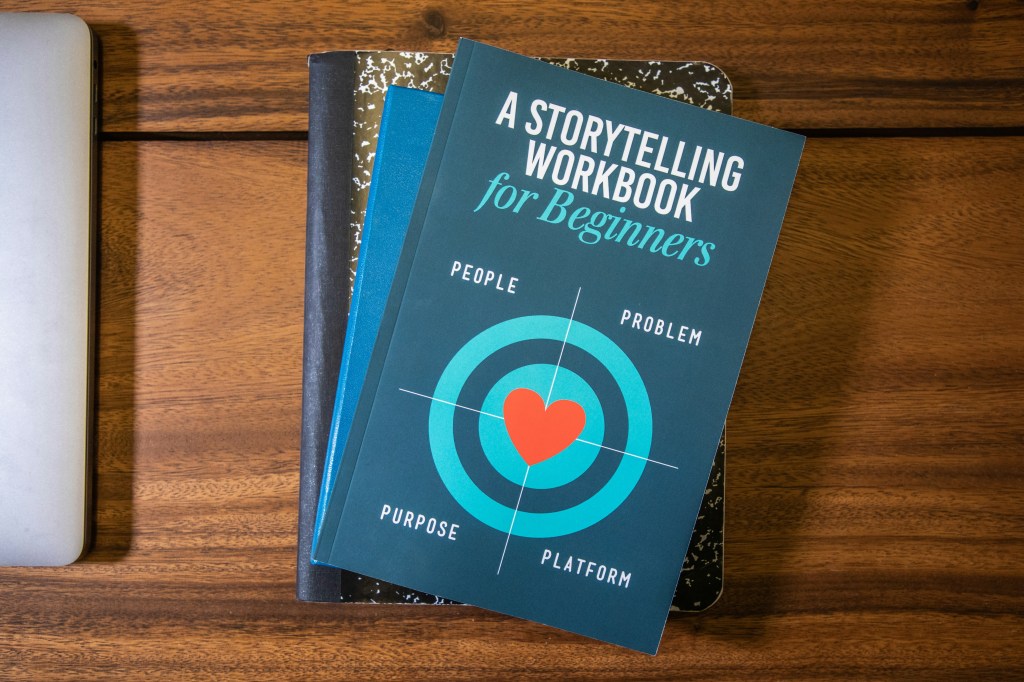
Incorporating Personal Experiences and Anecdotes
In the realm of blogging, personal experiences and anecdotes are not just filler; they are the heartbeats of a relatable narrative. By sharing personal stories and experiences, you invite readers into your world, offering them a glimpse of the human behind the words. This connection fosters trust and keeps readers coming back for more.
When you weave personal anecdotes into your blog, you do more than just tell a story; you create a bridge between you and your audience, making your points more impactful and memorable.
Here are some ways to effectively incorporate personal stories into your blog posts:
- Relate personal experiences that align with your blog’s theme.
- Use anecdotes to illustrate complex points, making them easier to understand.
- Share case studies or customer success stories to highlight real-world applications.
Remember, the goal is to enhance your blog’s message, not overshadow it. Personal stories should serve to illuminate your points, providing clarity and depth. When done right, they can turn a simple blog post into a compelling narrative that resonates with readers long after they’ve left your page.
Have you started your blog? How far into your journey are you? I’d love to connect, genuinely. Send me a message and lets be blogging buddies!






 Sweet Shibumi
Leave a comment